
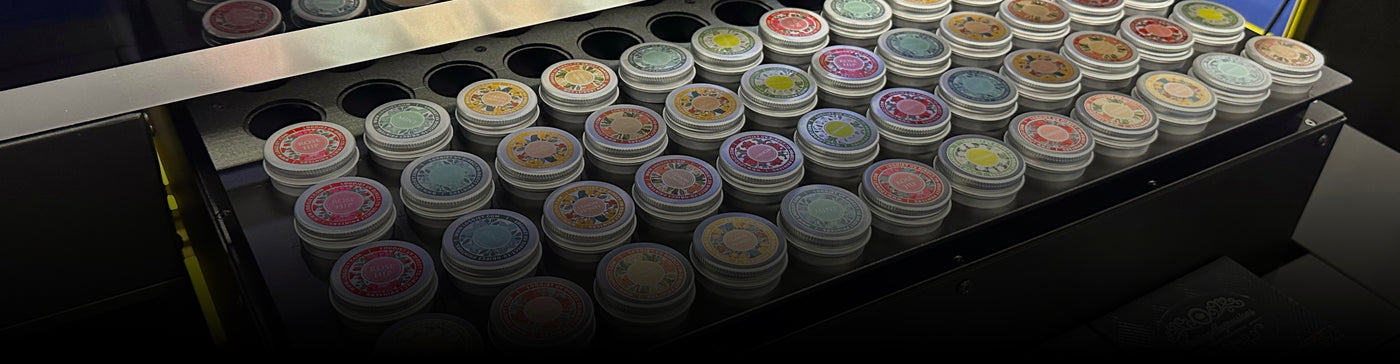
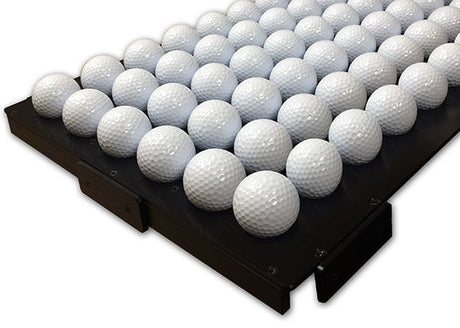
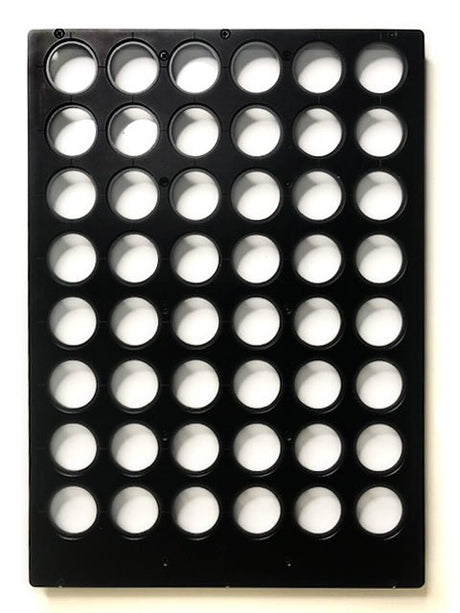
LogoJET 3-in-1 Printing Tray – Golf Balls, Ping Pong Balls & Poker Chips
Regular priceFrom $520.00-
LogoJET Aluminum/Anodized Custom Print Tray – Basic Design
Regular priceFrom $850.00-
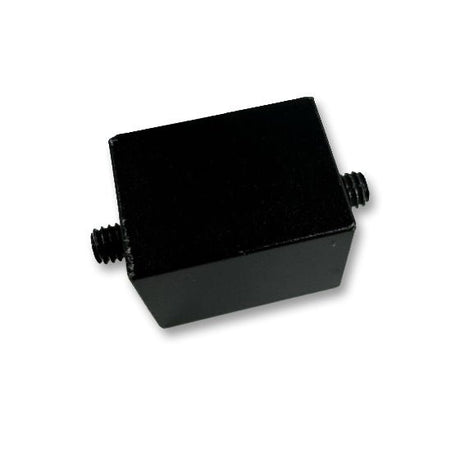
UVx90R/SE & UVx90i Custom Tray Pillars (Set of 12)
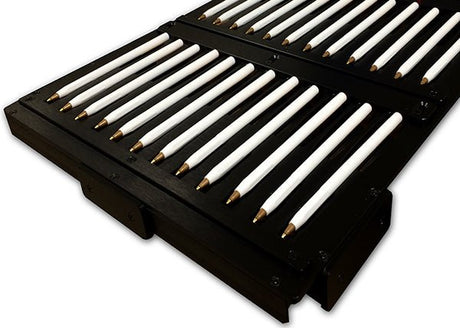
Regular price $300.00LogoJET Multi Pen Printing Tray – High-Capacity Aluminum Production Tray
Regular priceFrom $599.00-
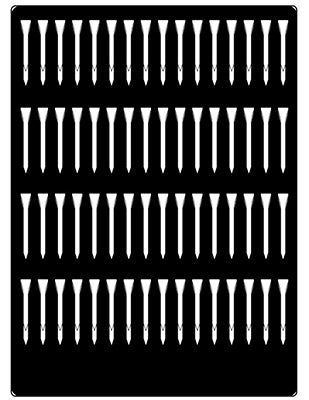
LogoJET Golf Tee Shank Printing Tray – High-Capacity Aluminum Production Tray
Regular priceFrom $667.00-
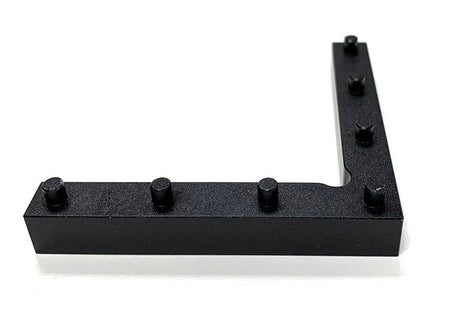
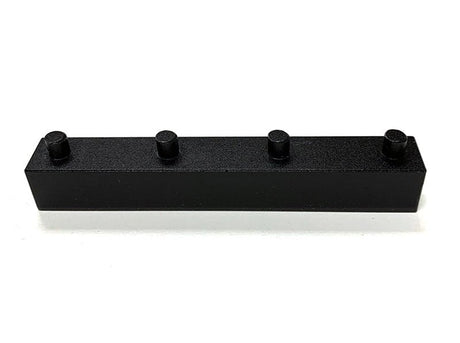
LogoJET Modular Tray Brackets – L Bracket & Straight Bar
Regular priceFrom $50.00-
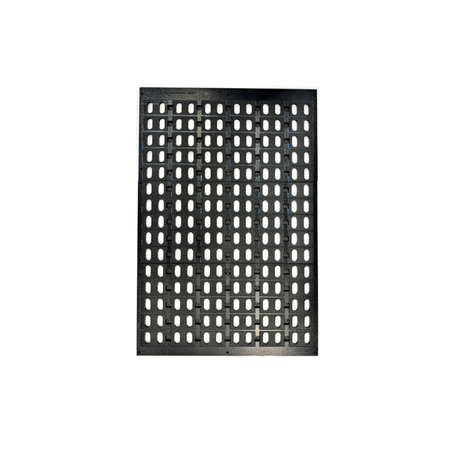
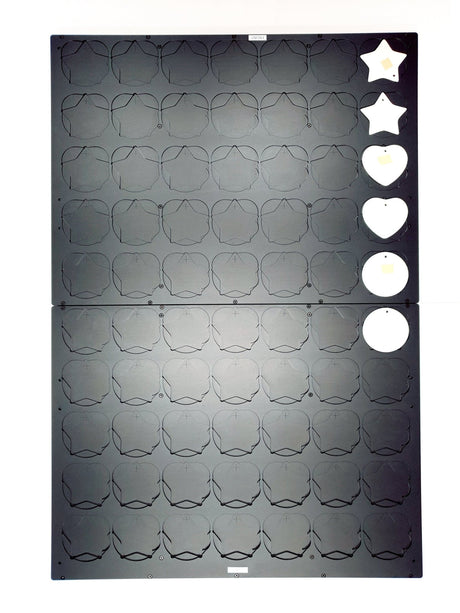
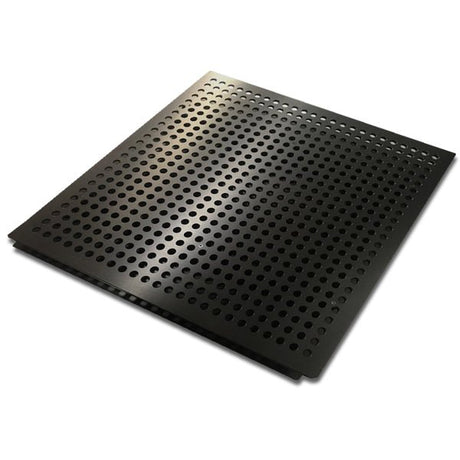
Custom Industrial Polymer Tray for LogoJET UV Printers
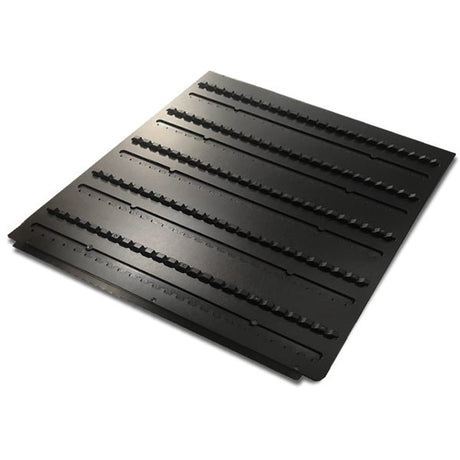
Regular priceFrom $650.00LogoJET Golf Tee Top Printing Tray – High-Capacity Aluminum Production Tray
Regular priceFrom $1,000.00-
LogoJET ID Card Printing Tray – Multi-Position Production Tray
Regular priceFrom $667.00-
LogoJET Modular Printing Tray – Single Segment
Regular priceFrom $1,675.00-
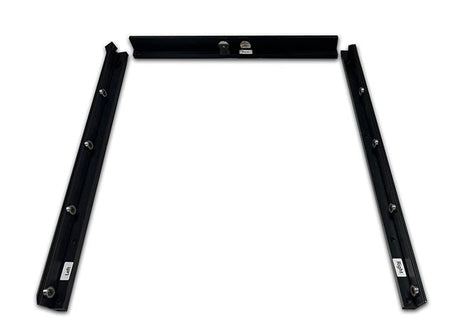
Tray Mounting Rails for LogoJET UVx40R/SE, UVx40R PLUS/SE & UVx45i Printers
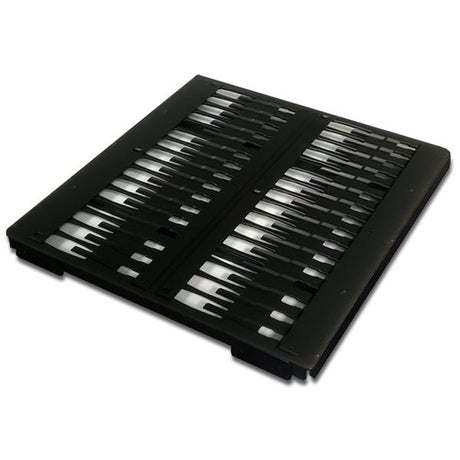
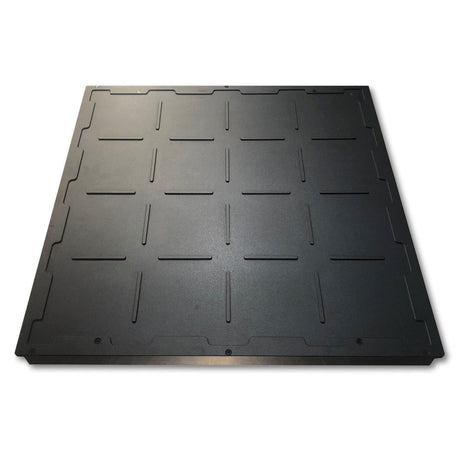
Regular price $688.00LogoJET 4x4 Printing Tray – Multi-Position Production Tray
Regular priceFrom $667.00-















Frequently Asked Questions
What's the difference between a standard tray and a custom tray?
What's the difference between a standard tray and a custom tray?
Standard trays are pre-designed for common product categories (pens, golf balls, ID cards, etc.) and ship from stock. Custom trays are engineered specifically for your product and typically take 6–8 weeks for design and production. Many LogoJET shops use both — standard trays for everyday jobs, custom trays for signature or high-volume products.
Which LogoJET printers do these trays fit?
Which LogoJET printers do these trays fit?
Each tray product page lists the compatible printer models, including the UVx40R PLUS-SE, UVx90R-SE, UVx45i, UVx90i, and legacy models. If you're unsure which tray fits your printer, contact our team
at 877-432-2559.
How fast do standard trays ship?
How fast do standard trays ship?
In-stock trays typically ship within a few business days. Some specialty trays may be backordered — current availability is shown on each individual product page.
Can I use standard and custom trays on the same printer?
Can I use standard and custom trays on the same printer?
Yes. Standard and custom trays are built to the same registration system, so you can swap between them on the same printer without re-calibrating. Many production shops maintain a library of both.
Do standard trays work with LogoJET Print Pro RIP Software?
Do standard trays work with LogoJET Print Pro RIP Software?
Yes. Every standard tray is tested and saved as a template in LogoJET Print Pro RIP, so
part placement and registration stay consistent every time you run the job.
Why not just build it out of wood or foam?
Why not just build it out of wood or foam?
We get this question a lot — and honestly, a homemade jig can get you through a small first run. But here's what we see when shops graduate from foam-and-hot-glue to production:
- Wood warps with humidity, temperature swings, and UV exposure. Your registration drifts a little more every week.
- Foam compresses under product weight and clamping pressure, dropping your print height inconsistently across the bed.
- Hand-cut jigs aren't reliable. Even skilled builders have difficulty consistently maintain the +/-.0005 precision tolerances modern UV printers require with printed templates or jigs. Wear and tear will also create production inconsistencies. Your printer is capable of exceptional accuracy, but only when the fixture matches that precision.
- Reflective and clear products amplify the problem. Light-colored foam and unfinished wood reflect UV light back toward the print heads, increasing the likelihood of clogs and reducing printhead lifespan. Black anodized aluminum minimizes UV reflection and improves long-term reliability.
- You can't save a foam jig as a template. When repeat orders return months later, operators often have to rebuild or manually realign homemade fixtures. LogoJET trays are designed to integrate directly into repeatable RIP workflows and saved production templates.